Why Pediatricians Recommend Arts and Crafts for Child Development
Pediatricians recommend arts and crafts for child development because they build fine motor skills, executive function, emotional regulation, and creativity — here's how.
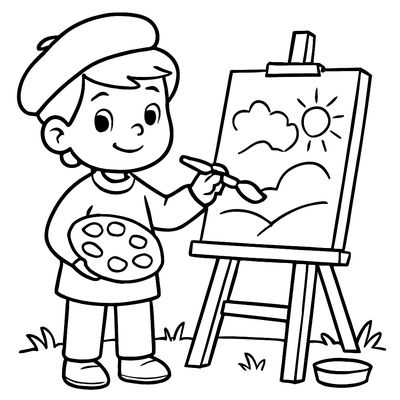
If you've ever brought home a stack of crayon-scribbled paper and wondered whether it actually did anything, you're not alone. Most parents see arts and crafts as a way to keep small hands busy. Pediatricians see something different. When doctors recommend arts and crafts for child development, they're pointing to foundational skills — fine motor control, attention, emotional regulation, and creative problem-solving — that quietly build during ordinary craft time at the kitchen table.
Arts and Crafts Build the "Hidden" Skills Pediatricians Track
When your pediatrician asks if your child can stack blocks, hold a crayon, or finish a simple task, they're checking milestones that arts and crafts directly support. The American Academy of Pediatrics points to play — including drawing, painting, and creative making — as one of the most powerful ways young brains build executive functioning skills like working memory, flexible thinking, and self-control. Those are the skills that later show up in classrooms as "follows directions" and "stays focused on a task."
A coloring session looks simple, but a child is doing several things at once: gripping a crayon, planning a color choice, staying inside (or playfully outside) the lines, and finishing what they started.
Why Coloring and Drawing Develop Fine Motor Skills
Fine motor skills — the small, precise movements of fingers, hands, and wrists — are one of the most concrete developmental wins from craft time. Every time your child pinches a crayon, tears tissue paper, or threads a bead, they're strengthening the muscles and coordination needed for buttoning a shirt, tying shoes, and eventually writing their name.
The CDC's positive parenting tips for toddlers and preschoolers specifically encourage offering crayons, paper, and simple craft materials as part of healthy development at every stage from age one through five. There's nothing fancy required. A few washable markers and a stack of free printable coloring pages does the job.
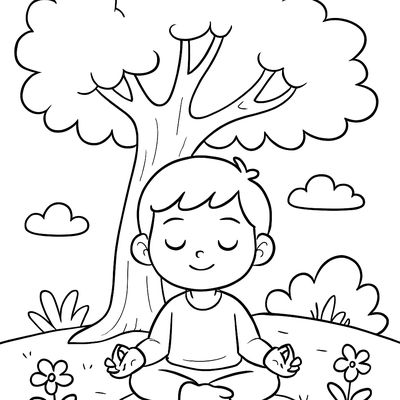
How Creating Helps Kids Manage Big Feelings
Most parents know coloring has a calming effect — but pediatricians and child development experts have a name for what's happening. Repetitive, low-pressure creative work helps young children practice self-regulation: the ability to recognize a feeling, sit with it, and choose what to do next instead of melting down. HealthyChildren.org, the American Academy of Pediatrics' resource for parents, notes that play and creative activities help kids build resilience, manage stress, and develop the social-emotional skills they'll lean on for life.
This is part of why so many parents reach for coloring pages at the end of the day, after a tantrum, or during a long doctor's-office wait. The activity gives kids a contained, predictable thing to do while their nervous system settles. There's no winning, no losing, no "right" answer — just color, paper, and choice.
If your child runs hot emotionally, a quiet craft corner with washable markers, feelings and mindfulness coloring pages, and zero screens can become a reliable reset button.
Arts and Crafts Spark the Creativity Schools Will Reward Later
Pediatricians and educators alike worry about the decline of unstructured, creative time. When kids are constantly entertained — by screens or adult-led activities — they get fewer chances to come up with their own ideas and recover from "I made a mistake."
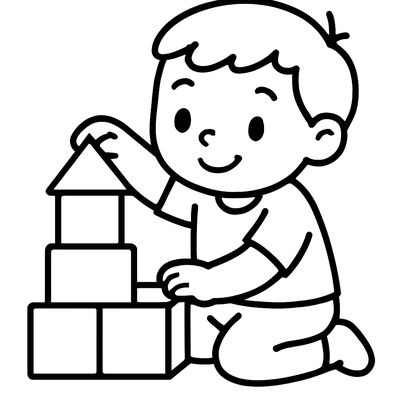
Open-ended craft time is a low-stakes practice ground where kids learn to plan, experiment, and revise. A child who decides their dinosaur should be purple, then realizes the legs look funny, then tries again? That's early problem-solving in action — and it adds up in ways pediatricians track and teachers notice in kindergarten.
Making Crafts Part of Your Family Routine — No Pinterest Required
You don't need a craft cabinet or a project plan to give your child the developmental benefits pediatricians talk about. A few simple habits go a long way.
Set aside 20 minutes a few times a week. Keep crayons, markers, and a stack of printed coloring pages somewhere your child can reach. When you can, sit beside them and color too — kids do more focused work when a parent is nearby and not on their phone. For a project that feels special without the prep, a custom AI coloring book starring your child's favorite theme is a great rainy-afternoon activity.
The most pediatrician-approved arts and crafts is the kind your child actually does — not the most photogenic.
Frequently Asked Questions
At what age should I start doing arts and crafts with my child?
You can start as early as 12–18 months with chunky crayons and large paper. Toddlers will mostly scribble, and that's exactly the point — those early marks are how fine motor skills begin. Add stickers, finger paint, and safety scissors as your child grows.
How long should a coloring or craft session be for a young child?
For toddlers and preschoolers, 10–20 minutes of focused craft time is plenty. By kindergarten, most kids can comfortably stretch to 30 minutes or more if they're enjoying the activity. Follow their interest — when they're done, they're done.
Are coloring pages as good as free-form drawing?
Both have value. Coloring pages support fine motor control, color recognition, and finishing a task. Free-form drawing builds creativity, planning, and self-expression. Most pediatricians and early childhood experts recommend offering kids a mix of both.
What if my child doesn't seem interested in arts and crafts?
That's normal — kids have different temperaments. Try lower-pressure formats: coloring while you read aloud, sidewalk chalk outside, or themed pages tied to something they love. The goal isn't a masterpiece — it's a few minutes of focused, hands-on work.
A Small Habit With Big Developmental Payoff
Arts and crafts aren't a "nice to have." They're one of the simplest ways to support the brain development pediatricians track at every well-child visit. Crayons, paper, and a parent unbothered by mess — that's the prescription.
To start this week, browse the free printable coloring pages at ColorNest and let an unhurried 20 minutes do its quiet work.