Why Coloring Is the Perfect Quiet-Time Activity for Busy Families
Looking for a quiet time activity that actually keeps kids busy? Here's why coloring works, what to keep on hand, and how to make it a daily anchor for busy families.
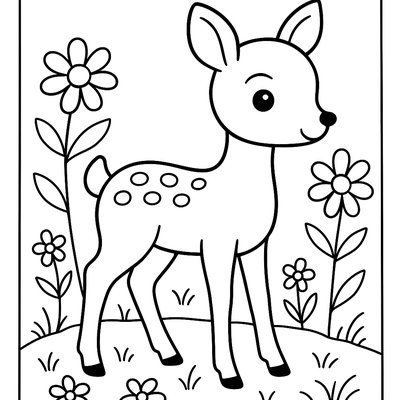
Most days in our house run like a relay race. Breakfast handoff, school drop-off, work meetings, after-school pickup, dinner, baths, books, repeat. Somewhere in the middle, every parent I know hits the same wall: the kids are wired, you're depleted, and you need twenty minutes of calm without handing over a screen.
That's where a good quiet time activity earns its keep. And after years of trying everything — sticker books, busy bags, audio stories, Play-Doh disasters — coloring is the one that keeps showing up at our kitchen table. It's cheap, it's portable, it doesn't need supervision, and a stack of fresh pages can buy you the longest, calmest stretch of the day.
Here's why coloring is the perfect quiet time activity for busy families, and a few small tricks for making it a daily anchor instead of a once-in-a-while rescue.
Coloring is one of the few activities kids will start on their own
The hardest part of quiet time isn't the quiet — it's getting it started. Most "calm" activities require a parent to set up the puzzle, unwrap the clay, queue the audio book, or rinse the brushes afterward. Coloring is the rare activity that needs almost nothing from you. A page, a cup of crayons, and a flat surface, and you're done.
That low setup cost matters when you're tired. You're more likely to reach for an activity at 4:45 p.m. on a Wednesday if it doesn't require energy you don't have. And once your child has done it a few times, they'll start grabbing the basket on their own. That's the whole game.
The American Academy of Pediatrics describes play — including quiet, self-directed activities like coloring — as a way for kids to build working memory, flexible thinking, and self-regulation. In other words, the small daily habit isn't just keeping them busy; it's quietly building the skills they'll lean on the rest of their lives.
It works in any pocket of time you can find
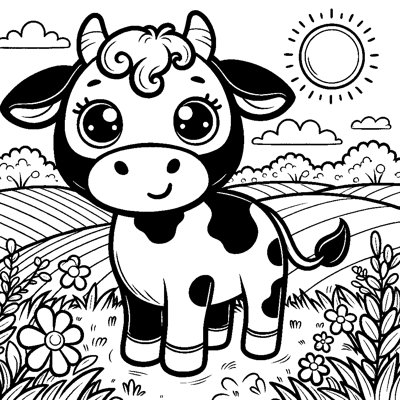
Quiet time doesn't always come in a tidy thirty-minute block. Some days it's the eight minutes before dinner is ready, the fifteen minutes you need to take a phone call, or the half hour after lunch when the toddler naps and the older one needs to decompress.
Coloring fills any of those windows. Your child can pause and come back, or finish a page in one sitting. There's no level to lose, no game to save, no "but I wasn't done yet!" meltdown when the timer goes off. That flexibility is gold for parents juggling work, siblings, and a kitchen that always seems to need cleaning.
It calms big feelings without you having to coach
Busy schedules don't just make parents tired — they wind kids up too. By late afternoon, a lot of children are running on fumes and can't quite name why everything feels too loud. Sitting down with a coloring page slows the body and the breath without you having to say a word. The repetitive, gentle motion of filling in a shape is a form of self-regulation, and most kids settle into it within a minute or two.
There's actual research behind this feeling. A literature review of mindfulness-based practices for young children found that quiet, focused activities help kids develop emotional and behavioral self-regulation — the same skills that make bedtime easier, transitions smoother, and big feelings less explosive. Coloring is one of the most accessible on-ramps to that kind of focused stillness.
It's also a beautiful side door for kids who don't love big talks. Some of the best conversations I've had with my child happened over a half-finished dinosaur — small, easy, sideways chats that wouldn't have happened face-to-face on the couch.
It's a real screen alternative, not a poor substitute
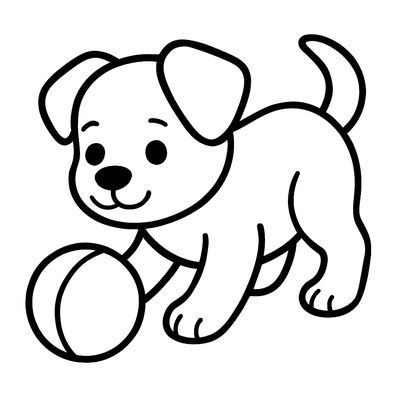
Most "screen alternatives" lose to the iPad in about ninety seconds. Coloring holds its own because it gives kids the same things screens do — focus, choice, the satisfaction of a finished thing — without the overstimulation. They pick the colors. They decide what the dragon's wings look like. They get a small finished product they can hang on the fridge.
The trick is variety. If your child only ever sees the same generic worksheets, they'll lose interest quickly. Rotating in fresh themes — animals one week, space or robots the next, then their favorite holiday — keeps it feeling new. ColorNest's free animal coloring pages are a great starting basket because they cover every age range from toddlers to tweens, and the custom coloring book generator lets you build something around whatever your child is into right now.
How to make coloring a daily anchor
A few small habits turn coloring from a backup plan into a reliable rhythm:
- Keep a basket within reach. Crayons, markers, a small stack of fresh pages — all in one spot the kids can grab without help.
- Print a few pages ahead. Sunday night, print 10–15 pages and tuck them in the basket. Future-you will thank present-you.
- Pair it with a transition. Right after school, right before dinner, right before bed. Quiet time sticks when it's tied to a moment that already happens every day.
- Color with them sometimes. You don't have to do it every time, but joining in for ten minutes once or twice a week turns it into bonding instead of just a babysitter.
Frequently Asked Questions
How long should quiet time be for a 4-year-old?
Most preschoolers do well with 20–30 minutes of independent quiet time, building up gradually. Start with 10 minutes and add 5 every week or so until you find the length that fits your child. The goal is calm, not exhaustion — when they start fidgeting, it's been long enough.
What age is best to start coloring with kids?
Most kids can start scribbling around 18 months, with simple, large-shape pages working well from age 2 onward. By age 4–5 they can stay inside lines on age-appropriate designs. Pick pages by your child's actual interest, not just age — a dinosaur-loving 3-year-old will out-focus a bored 6-year-old every time.
Are coloring pages educational?
Yes. Coloring builds fine motor skills, color recognition, focus, and patience. Themed pages can also reinforce letters, numbers, animals, seasons, and other early learning concepts. Pairing pages with a quick chat ("what color do you think the cow's spots should be?") turns it into a learning moment without ever feeling like school.
Is coloring a screen-free activity that kids actually enjoy?
It's one of the few that holds up against tablets long-term. The key is rotating themes so it stays fresh and giving kids real choice — let them pick the page, the colors, and how long they spend on it. Autonomy is what makes it stick.
The bottom line
You don't need a Pinterest-perfect craft schedule to give your kids meaningful quiet time. You need one activity that's easy to start, gentle on big feelings, and forgiving of busy days. For our family, coloring keeps winning that job.
If you want a fresh stack ready for tomorrow afternoon, you can browse free printable coloring pages on ColorNest by age, theme, or season — and print as many as you like. Sometimes the best quiet time activity is also the simplest.