Coloring Pages for Early Finishers: A Teacher's Guide to Anchor Activities That Actually Teach
Coloring pages for early finishers can be more than busywork. A practical teacher's guide to building a low-prep, curriculum-linked early-finisher station.

You know the moment. Half your class is still working through the assignment, and one student is already at your elbow with the words every teacher hears a dozen times a day: "I'm done. Now what?" Coloring pages for early finishers are one of the simplest, lowest-prep answers to that question — but only if you set them up so they teach something instead of just filling time.
The trick is to treat coloring as a real classroom routine, not a reward you scramble to find. When you build it into your day on purpose, a stack of printables becomes a quiet, self-running station that keeps fast finishers engaged while you give your full attention to the students who still need you.
Why Coloring Pages for Early Finishers Work So Well
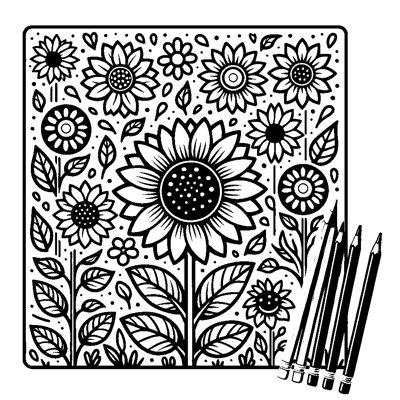
Coloring earns its place because it does quiet developmental work while it keeps a child occupied. The National Association for the Education of Young Children points out that drawing, scribbling, and coloring with crayons help build the fine motor skills children need for handwriting. Every time a student grips a crayon and stays inside a line, they strengthen the small muscles in their hands.
There is a calming benefit, too. A focused, repetitive task gives a wound-up early finisher something to settle into rather than a reason to wander or distract peers who are still working. That makes it one of the rare extension activities that helps both the finisher and the rest of the room.
Turn Coloring Into an Anchor Activity, Not Busywork
The difference between meaningful coloring and time-killing busywork is predictability. Edutopia describes an anchor task as a routine activity that students engage in regularly — something so familiar they can jump into it with little or no direction. When coloring becomes that kind of known, repeatable routine, students stop asking "Now what?" because they already know the answer.
Set the expectation once: when your work is checked and finished, you may visit the coloring station and color quietly until the class is ready. Because the procedure never changes, you free up your own attention. As Edutopia notes, predictable routines lower students' cognitive load so they spend less energy figuring out how to behave and more energy learning.
Build a Low-Prep Early-Finisher Station
You do not need a Pinterest-perfect corner to make this work. Edutopia's guide to keeping fast finishers engaged recommends simple, no-prep setups like a labeled bin of choice activities and a "Canvas Café" stocked with drawing supplies. A coloring station can be exactly that lightweight: a tray of printed pages sorted by theme, a cup of colored pencils, and a clear sign that says what to do.
A few touches keep it running smoothly:
- Sort pages by difficulty so a kindergartner and a third grader can both find something that fits.
- Rotate the themes every couple of weeks to keep interest fresh — seasons, animals, space, and pattern pages all work well.
- Add a quick log slip where students jot the date and the page they chose, which holds them accountable and shows you what to restock.
Because the pages are free to print, you can refresh the bin as often as you like without touching your supply budget.
Make It Differentiated and Curriculum-Linked
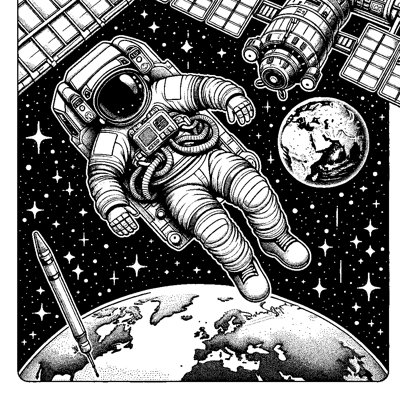
Coloring pages for early finishers do the most when they quietly reinforce what you are already teaching. Studying the life cycle of a butterfly? Drop in insect and flower pages. Working on a space unit? Add planets and astronauts. The coloring becomes a soft review instead of a detour from your objectives.
You can stretch it further with a small prompt: ask students to label three parts of the picture, write one sentence about it, or pick colors that match what they learned. For students who need a sensory reset more than an academic one, a detailed mandala or pattern page offers a focused brain break that still builds fine motor control. The same station serves your fastest learners and your most anxious ones.
Frequently Asked Questions
Are coloring pages too babyish for older early finishers?
Not when you choose the right pages. Detailed patterns, mandalas, and theme pages tied to your content work well for grades 3 and up. Pairing the page with a short writing or labeling prompt also keeps it age-appropriate and tied to learning.
How do I keep the coloring station from getting noisy?
Set the rule once: the station is a quiet zone, and students who finish early color so peers who are still working aren't disturbed. Because it becomes a predictable anchor routine, the expectation sticks without constant reminders.
How many coloring pages should I keep on hand?
Aim for a small rotating set — maybe six to ten options sorted by difficulty — and swap them every couple of weeks. Free printables make it easy to refresh the bin without spending money or prep time.
Do coloring pages really support learning, or just fill time?
They do both. Coloring builds the fine motor skills behind handwriting, offers a calming focus point, and — when the pages match your unit — quietly reinforces content your students are already studying.
Get Your Early-Finisher Station Started
The best early-finisher routine is one you can set up today and forget about tomorrow. Browse ColorNest's free, print-ready library — including resources made for educators and ready-to-print themed print packs — and build a station that keeps fast finishers engaged while you focus on the rest of your class. Print a handful of pages, label a bin, and let "I'm done" become "I know exactly what to do next."